Introduction
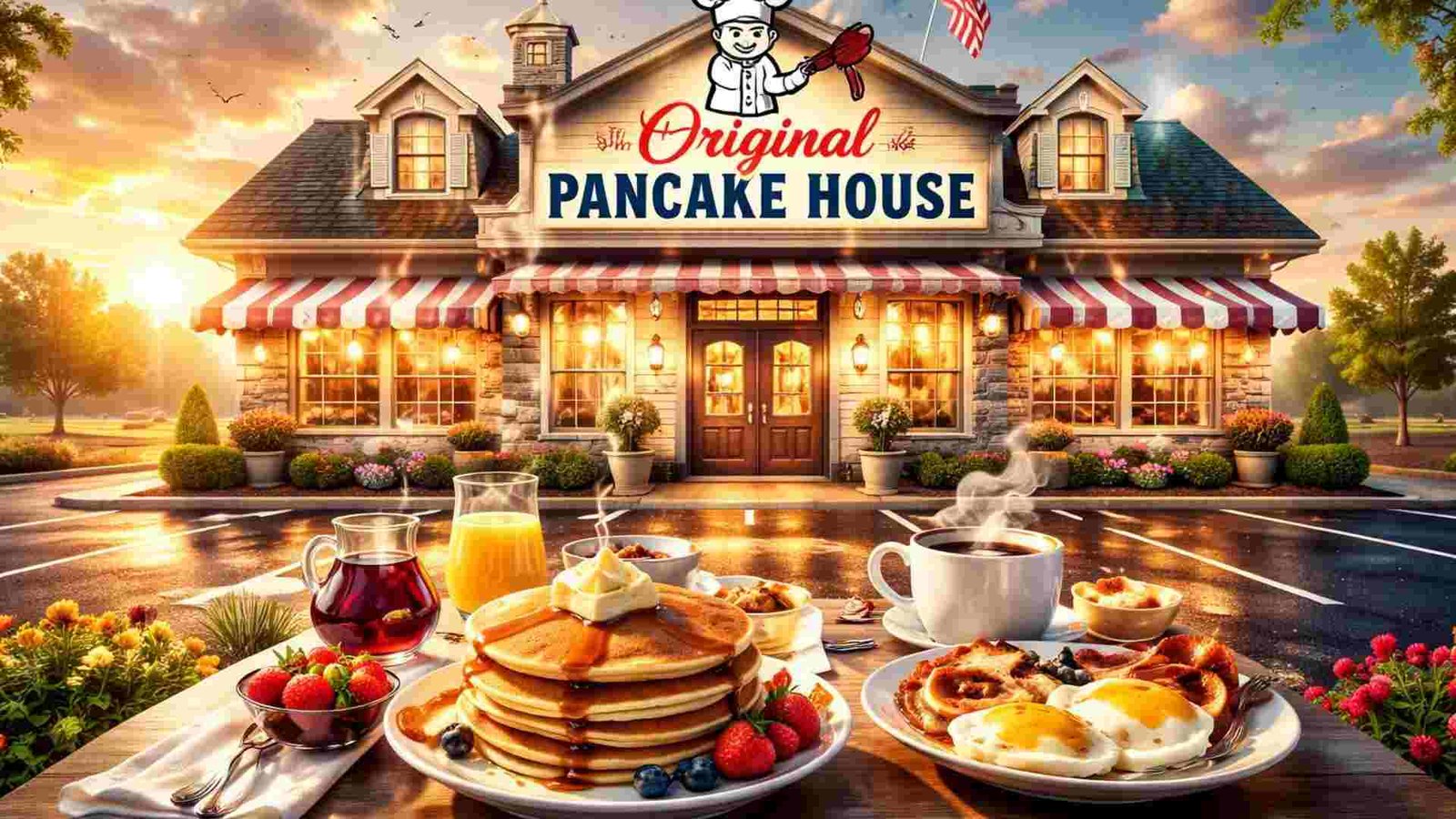
The Original Pancake House is one of the most beloved breakfast chains, known for its rich, traditional recipes and generous portions. From fluffy pancakes to hearty omelets, the restaurant offers a wide range of comfort foods that attract breakfast lovers worldwide.
Many people search for Original Pancake House Menu Nutrition because they want to enjoy these meals while staying mindful of their health. In today’s world, where fitness and diet awareness are growing rapidly, understanding what goes into your food is more important than ever. Calories, macronutrients, and ingredient quality all play a key role in shaping healthier eating habits. Interestingly, even broader search trends around unrelated keywords like coomerparty show how users are increasingly exploring online content for lifestyle and consumption awareness. This shift highlights how people now pay closer attention to what they eat, even when dining out.
In this guide, you’ll discover a complete breakdown of calories, ingredients, and smart choices you can make when ordering. Whether you’re counting calories or simply curious, this article will help you make informed decisions.
Overview of the Original Pancake House Menu
The Original Pancake House has built its reputation on classic American breakfast traditions. Founded in the 1950s, it quickly became known for using high-quality ingredients and authentic recipes inspired by European cooking styles. Over the years, it has expanded its menu while maintaining its signature taste.
The menu is diverse and caters to different preferences. Pancakes are the highlight, including classic buttermilk, fruit-filled options, and famous specialties like the Dutch Baby. Waffles and French toast offer equally indulgent choices, often served with butter, powdered sugar, and syrup.
Omelets and egg dishes provide a savory balance to the sweet items. These meals are typically rich in protein but can also be high in fat due to cheese and meat fillings. Sides such as bacon, sausage, and hash browns complement the main dishes, adding both flavor and calories.
Beverages range from simple coffee and tea to juices and milk-based drinks. Altogether, the menu is considered indulgent because of its portion sizes and use of butter, sugar, and rich ingredients. This is why understanding “Original Pancake House Menu Nutrition” is essential for making balanced choices.
Original Pancake House Menu Nutrition Breakdown
When analyzing Original Pancake House menu nutrition, it’s important to understand what nutrition actually includes. This goes beyond just calories and involves a complete breakdown of macronutrients and micronutrients.
Calories measure the total energy in a dish, while fat—especially saturated fat—can impact heart health if consumed in excess. Carbohydrates provide energy, but high sugar content can lead to spikes in blood sugar levels. Protein, on the other hand, supports muscle repair and keeps you feeling full longer. Sodium is another critical factor, as many breakfast foods contain higher levels than expected.
Most menu items at the Original Pancake House fall within a calorie range of 500 to over 1,500 calories per serving. This variation depends on ingredients, portion size, and preparation methods. Large portions are one of the defining characteristics of the restaurant, which can significantly influence total calorie intake.Understanding these nutritional elements helps diners make smarter choices. Instead of avoiding the menu entirely, you can adjust your selections to align with your dietary goals.
Pancakes Nutrition at Original Pancake House
Pancakes are the centerpiece of the Original Pancake House menu, but they are also one of the most calorie-dense options. A standard serving of buttermilk pancakes can contain several hundred calories even before adding toppings.
Specialty pancakes like the Dutch Baby and Apple Pancake are even richer. These dishes often include butter, sugar, and baked batter, which increases both calorie and fat content. Swedish pancakes, while thinner, are usually served with sweet toppings that add extra sugar.
The biggest nutritional factor comes from syrups and toppings. Maple syrup, whipped cream, and powdered sugar can double the calorie count of a dish. Even seemingly small additions can significantly impact overall nutrition.
Comparing plain pancakes to fully loaded ones shows a major difference. A basic pancake stack may be moderate in calories, but once toppings are added, it becomes a high-calorie meal. This is why portion control and topping choices are essential when enjoying pancakes.
Waffles and French Toast Nutrition
Waffles and French toast are popular alternatives to pancakes, but they come with their own nutritional considerations. Waffles are typically made with batter that includes butter and sugar, making them slightly crispier and richer.
French toast, made from bread dipped in eggs and milk, offers a different nutritional profile. While it contains protein from eggs, it is often fried in butter and served with sugary toppings, increasing its calorie count.
Toppings again play a major role. Butter, syrup, and whipped cream can quickly add hundreds of extra calories. In many cases, waffles and French toast end up being just as calorie-heavy as pancakes.Between the two, waffles may have slightly higher fat content due to their preparation, while French toast can have more carbohydrates depending on the bread used. Choosing lighter toppings or reducing portion size can make a significant difference.
Omelets and Egg Dishes Nutrition
Omelets are often perceived as a healthier option, but they can be surprisingly high in calories. This is mainly due to ingredients like cheese, butter, and processed meats such as bacon or sausage.
Eggs themselves are a great source of protein and essential nutrients. However, when combined with high-fat ingredients, the calorie count increases rapidly. A large omelet can easily exceed 1,000 calories depending on its fillings.
Despite this, omelets offer a strong nutritional advantage in terms of protein. They can help keep you full for longer periods, reducing the likelihood of overeating later in the day.To make omelets healthier, choosing vegetable-based fillings and limiting cheese and meat can help balance nutrition. This allows you to enjoy a satisfying meal without excessive calorie intake.
Breakfast Sides Nutrition Information
Breakfast sides may seem small, but they can significantly impact your overall calorie intake. Bacon, sausage, and ham are high in protein but also contain saturated fat and sodium.
Hash browns and other potato-based sides are often fried, adding extra calories and fat. Even toast, when paired with butter or jam, can contribute more calories than expected.
The combination of multiple sides with a main dish can quickly turn a meal into a high-calorie experience. This is why it’s important to consider sides as part of the total nutritional picture rather than as separate items.Balancing sides by choosing smaller portions or skipping one item can help reduce overall calorie intake while still enjoying a complete meal.
Beverages and Their Nutritional Value
Beverages are often overlooked when considering nutrition, but they can add a significant number of calories. Coffee and tea are generally low in calories, especially when consumed without sugar or cream.
However, juices and milk-based drinks contain natural and added sugars. Specialty beverages, such as milkshakes or flavored coffees, can be particularly high in calories.
Hidden sugars in drinks are a common issue. A single glass of juice can contain as much sugar as a dessert, making it important to choose wisely.Opting for water, black coffee, or unsweetened tea can help reduce calorie intake while still complementing your meal.
Original Pancake House Menu Calories (Estimated Table)
Below is an estimated nutritional comparison of popular menu items:
| Item Name | Calories | Fat (g) | Carbs (g) | Protein (g) |
| Buttermilk Pancakes | 600 | 20 | 90 | 12 |
| Dutch Baby | 1100 | 45 | 120 | 20 |
| French Toast | 800 | 30 | 100 | 18 |
| Cheese Omelet | 1000 | 70 | 10 | 35 |
| Bacon (side) | 300 | 25 | 0 | 15 |
High-calorie items like the Dutch Baby stand out, while simpler dishes like plain pancakes are relatively lower. Keep in mind that values may vary by location.
Healthiest Options at Original Pancake House
Healthier choices are available if you know what to look for. Lower-calorie options include plain pancakes without heavy toppings or smaller portions of egg dishes.
High-protein meals, such as omelets with vegetables, can provide balanced nutrition. Reducing butter, syrup, and processed meats can also help improve the overall health profile of your meal.Customization is key. Asking for less butter or syrup on the side allows better control over calorie intake. Small adjustments can make a big difference without sacrificing taste.
High Calorie Items to Be Aware Of
Some menu items are particularly high in calories due to their ingredients and preparation methods. Large pancakes, heavily topped waffles, and cheese-filled omelets are among the most calorie-dense options.
These dishes often contain high levels of fat and sugar, making them less suitable for regular consumption. Portion size is another important factor, as servings are typically generous.That said, occasional indulgence is perfectly fine. Enjoying these meals in moderation can be part of a balanced lifestyle.
Tips for Eating Healthy at Original Pancake House
Eating healthy at the Original Pancake House is possible with a few simple strategies. Portion control is one of the most effective methods, as sharing meals can significantly reduce calorie intake.
Skipping extra toppings like whipped cream or syrup can also help. Choosing grilled items instead of fried ones is another smart approach.Drinking water instead of sugary beverages reduces unnecessary calories. These small changes can help maintain a balanced diet while still enjoying your meal.
Special Diet Considerations
For those following specific diets, there are still options available. Low-carb diets may focus on egg-based dishes, while high-protein diets benefit from omelets and meats.
Vegetarians can choose dishes with fruits, pancakes, or vegetable omelets. Gluten considerations may require avoiding certain items or requesting modifications.Customization plays a crucial role in meeting dietary needs. Communicating preferences with the restaurant staff can help ensure a suitable meal.
How Original Pancake House Nutrition Compares to Other Breakfast Chains?
Compared to other breakfast chains, the Original Pancake House often serves larger portions and richer recipes. This can result in higher calorie counts, but it also reflects the quality and traditional preparation methods.
Some chains offer lighter, more modern options, while the Original Pancake House focuses on classic comfort food. The choice depends on personal preferences and dietary goals.
Why Nutrition Information Matters When Dining Out?
Understanding nutrition helps prevent overeating and supports overall health. It allows individuals to manage weight and maintain balanced diets even when eating out.
Being informed about calories and ingredients empowers better decision-making. This awareness aligns with broader trends, including searches like “coomerparty,” where users explore consumption habits and lifestyle choices.
FAQ’s
1. Does Original Pancake House provide official nutrition info?
Some locations provide limited information, but detailed data may not always be available.
2. What is the lowest-calorie item?
Plain pancakes or simple egg dishes without toppings are usually lower in calories.
3. Are pancakes unhealthy?
Not necessarily. It depends on portion size and toppings.
4. Can you customize meals for fewer calories?
Yes, requesting less butter or syrup can reduce calorie intake.
5. Are there healthy breakfast options available?
Yes, especially when focusing on simple, balanced meals.
Conclusion
Understanding Original Pancake House menu nutrition allows you to enjoy delicious meals without compromising your health. While the menu is indulgent, making mindful choices can help balance enjoyment and nutrition.
By focusing on portion control, customization, and ingredient awareness, you can create a satisfying dining experience that aligns with your goals. Whether indulging occasionally or eating carefully, informed decisions make all the difference.