

Introduction
Lavashak is a unique and flavorful snack that has gained global attention for its tangy taste and natural fruit-based ingredients. Often described as a type of fruit leather, Lavashak is made by drying fruit puree into thin sheets or rolls. In recent years, the keyword “Lavashak Nutrition Facts” has been trending as more people become health-conscious and seek alternatives to processed snacks.
As consumers move toward natural and minimally processed foods, Lavashak stands out as a traditional yet relevant option. Its growing popularity is also driven by interest in international cuisines and healthier snacking habits. Understanding Lavashak Nutrition Facts is important because, while it is made from fruit, its nutritional profile can vary depending on preparation methods and ingredients.
In this complete guide, you’ll learn everything about Lavashak, including its calories, nutrients, ingredients, health benefits, and potential downsides. Whether you’re considering it as a daily snack or just curious about its nutritional value, this article will give you a clear and balanced understanding.
What Is Lavashak?
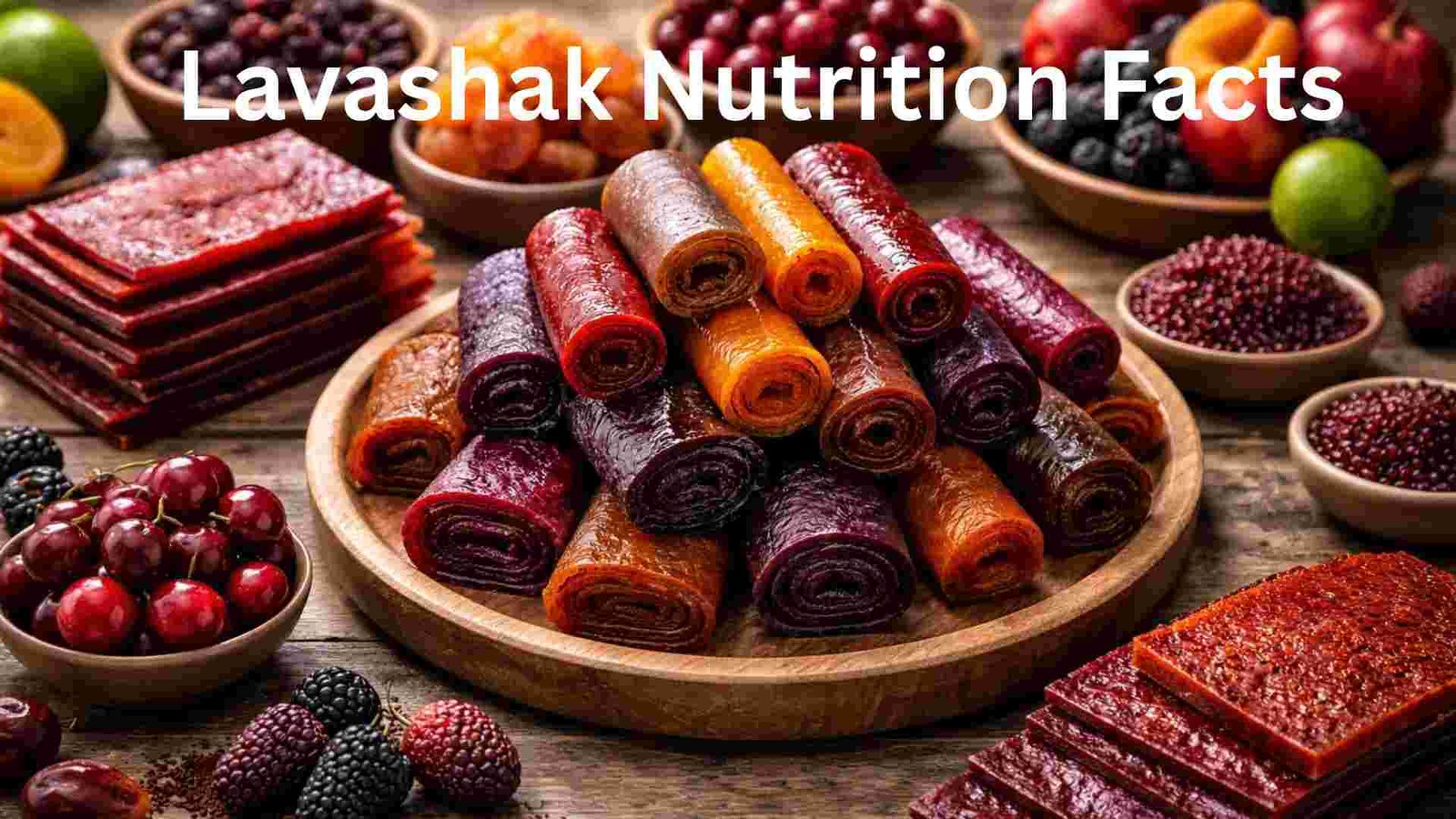
Lavashak is a traditional Persian fruit leather made by cooking fruit into a thick puree and then drying it into thin, flexible sheets. It has a chewy texture and a sweet-sour flavor that varies depending on the type of fruit used. Common fruits include plums, apricots, cherries, and apples, which give Lavashak its distinctive taste.
The origins of Lavashak trace back to Iran, where it has been enjoyed for generations as a homemade snack. Traditionally, families would prepare Lavashak during fruit harvest seasons to preserve excess fruit. The process involved boiling fruit, removing seeds and skins, spreading the puree on flat surfaces, and drying it under the sun.
Today, Lavashak is available in various forms such as rolls, strips, sheets, and even packaged snack bars. While traditional versions are simple and natural, modern commercial products may include added sugar, salt, or preservatives. Despite these variations, Lavashak remains a popular snack due to its rich flavor and nostalgic cultural value.
Lavashak Nutrition Facts (Per Serving & Per 100g)
Average Nutritional Breakdown
Lavashak Nutrition Facts can vary depending on the fruit used and whether additional ingredients are added. On average, a typical serving (about 30–40 grams) contains approximately 70–90 calories. This makes it a relatively low-calorie snack compared to many processed alternatives.
Most of these calories come from carbohydrates, which range between 18–22 grams per serving. These carbohydrates are primarily natural sugars derived from fruit, usually around 15–18 grams. Lavashak also contains a modest amount of dietary fiber, typically 2–3 grams, which supports digestion.
Protein and fat content in Lavashak are minimal, with protein ranging from 0.5–1 gram and fat usually less than 1 gram. Sodium levels are generally low, around 5–20 milligrams, unless salt is added during preparation.
Nutrition Per 100g
When measured per 100 grams, Lavashak provides around 150–200 calories. Carbohydrates can reach approximately 60 grams, with sugars making up a significant portion at 35–40 grams. Fiber content increases to about 7 grams, making it a decent source of dietary fiber.
Lavashak is also rich in potassium, often containing up to 700 milligrams per 100 grams. This mineral is essential for maintaining healthy blood pressure and muscle function.
Nutrition by Serving Size (25g to 50g)
Smaller portions, such as a 25-gram serving, typically contain around 25–50 calories, depending on the fruit type. These servings include approximately 6 grams of carbohydrates and 5 grams of sugar, making portion control an important factor when consuming Lavashak.
Key Nutrients in Lavashak
Lavashak Nutrition Facts highlight several important nutrients that contribute to its health value. One of the main components is natural sugar, which provides quick energy. Unlike refined sugars, these sugars come directly from fruit, although excessive consumption can still impact blood sugar levels.
Dietary fiber is another key nutrient found in Lavashak. Fiber supports digestive health by promoting regular bowel movements and helping maintain a healthy gut. This makes Lavashak a better alternative to low-fiber processed snacks.
Lavashak also contains essential vitamins such as Vitamin C, which supports immune function, and Vitamin A in the form of beta-carotene, which is beneficial for eye health. The mineral content includes potassium, which helps regulate fluid balance and muscle contractions, and small amounts of iron, which supports red blood cell production.
In addition, Lavashak is rich in antioxidants and polyphenols. These compounds help fight oxidative stress in the body and may reduce the risk of chronic diseases when consumed as part of a balanced diet.
Ingredients in Lavashak
The simplicity of Lavashak is one of its biggest advantages. Traditional Lavashak is made using just a few basic ingredients: fruit puree, a small amount of salt, and sometimes natural acids like citric acid for preservation.
The fruit puree forms the base and determines the flavor and nutritional value. In some cases, sugar may be added to enhance sweetness, especially in commercial products. However, high-quality Lavashak typically relies on the natural sweetness of fruit.
Common Fruits Used
Different fruits provide different nutritional benefits. Plum Lavashak is rich in fiber and antioxidants, making it one of the most popular varieties. Sour cherry Lavashak contains Vitamin C and natural compounds that may support sleep. Pomegranate versions are known for their high antioxidant content, while apricot Lavashak provides Vitamin A. Apple-based Lavashak contains pectin, a type of fiber beneficial for digestion.
Calories in Different Types of Lavashak
The calorie content of Lavashak varies depending on the fruit used and the preparation method. Plum Lavashak generally contains around 100 calories per 100 grams, making it one of the lower-calorie options. Apricot Lavashak is slightly higher, at approximately 120 calories per 100 grams.
Grape-based Lavashak tends to be more calorie-dense, reaching up to 200 calories per 100 grams due to its higher natural sugar content. This variation highlights the importance of checking the type of fruit used when evaluating Lavashak Nutrition Facts.
Homemade Lavashak often has fewer calories compared to store-bought versions because it usually does not contain added sugar. Commercial products, on the other hand, may include sweeteners and preservatives that increase calorie content.
Health Benefits of Lavashak
Lavashak offers several health benefits when consumed in moderation. One of its key advantages is its high antioxidant content, which helps protect the body from oxidative stress and supports overall health.
Its fiber content contributes to improved digestion by promoting gut health and preventing constipation. This makes Lavashak a better option than many low-fiber snacks.
Lavashak may also support weight management when eaten in controlled portions. Its low fat content and natural sweetness can help satisfy cravings without excessive calorie intake.
The presence of Vitamin C boosts the immune system, while its natural carbohydrates provide a quick source of energy. This makes Lavashak a convenient snack for people who need an energy boost during the day.
Is Lavashak Healthy or Unhealthy?
Lavashak can be both healthy and unhealthy depending on how it is consumed. On the positive side, it is a natural, fruit-based snack that is low in fat and contains beneficial nutrients such as fiber and vitamins.
However, one of the main concerns highlighted in Lavashak Nutrition Facts is its high natural sugar content. While these sugars come from fruit, excessive intake can still affect blood sugar levels and contribute to weight gain.
Another factor is the presence of added salt or sugar in some commercial versions. These additives can reduce the overall health value of Lavashak. Additionally, its delicious taste makes it easy to overconsume, which can lead to excessive calorie intake.
Lavashak and Weight Loss
Lavashak can be included in a weight loss diet if consumed in moderation. Its low fat content and natural sweetness make it a better alternative to high-calorie desserts and candy.
However, portion control is essential. Because Lavashak is concentrated fruit, it contains more sugar per gram than fresh fruit. Eating large quantities can quickly increase calorie intake.
Compared to candy and processed snacks, Lavashak is generally a healthier option because it provides nutrients along with energy. However, its glycemic impact can still be significant, so it should be eaten in small portions, especially by those monitoring blood sugar levels.
Lavashak vs Other Snacks
| Snack Type | Calories (per 100g) | Sugar Content | Fiber | Health Value |
| Lavashak | 150–200 | High | Moderate | Natural & nutritious |
| Dried Fruits | 250–300 | Very High | Moderate | Nutrient-dense |
| Candy | 350–500 | Extremely High | Low | Low nutritional value |
| Fruit Snacks | 200–300 | High (added) | Low | Processed |
Lavashak stands out as a middle-ground option. It is healthier than candy and processed snacks but should still be consumed in moderation compared to fresh fruit.
Homemade vs Store-Bought Lavashak Nutrition
Homemade Lavashak is generally healthier because it contains no preservatives and allows full control over ingredients. It typically has lower sodium and no added sugar, making it a more natural option.
Store-bought Lavashak, while convenient, may contain additives, artificial flavors, and higher sodium levels—sometimes up to 200 milligrams per serving. Reading labels is essential to ensure you are choosing a healthier product.
Potential Side Effects of Lavashak
Despite its benefits, Lavashak can have some drawbacks. High sugar intake may lead to weight gain and blood sugar spikes if consumed excessively. Its sticky texture can also contribute to tooth decay if proper oral hygiene is not maintained.
Overeating Lavashak may cause digestive discomfort due to its fiber content. Additionally, individuals sensitive to sodium should be cautious with salted versions.
How to Eat Lavashak in a Healthy Way?
To enjoy Lavashak without negative effects, it is best to stick to moderate portion sizes, typically around 25–40 grams per serving. Consuming it as a mid-day snack or after physical activity can help utilize its natural sugars for energy.
Pairing Lavashak with protein-rich foods like nuts can help balance blood sugar levels. Choosing unsweetened, homemade, or low-sodium versions is also recommended for better health benefits.
Who Should Avoid or Limit Lavashak?
People with diabetes or those following low-sugar diets should limit Lavashak intake due to its concentrated sugar content. Children should also consume it in moderation, as they may be more prone to overconsumption.
Individuals with sensitive digestion or those on low-sodium diets should be cautious, especially with store-bought varieties.
FAQ’s
1. Is Lavashak healthier than fresh fruit?
Lavashak contains nutrients but is more concentrated in sugar and calories than fresh fruit, so it should not fully replace it.
2. Can Lavashak be eaten daily?
Yes, but only in small portions to avoid excessive sugar intake.
3. Does Lavashak contain added sugar?
Traditional versions do not, but many commercial products may include added sugar.
4. Is Lavashak suitable for kids?
Yes, but in moderation due to its sugar content and sticky texture.
5. How should Lavashak be stored?
It should be kept in a cool, dry place or refrigerated to maintain freshness.
Conclusion
Lavashak is a flavorful and natural snack that offers several nutritional benefits, including fiber, vitamins, and antioxidants. Understanding Lavashak Nutrition Facts helps you make informed choices about portion size and product quality. While it is healthier than many processed snacks, its high natural sugar content means it should be enjoyed in moderation. By choosing high-quality or homemade versions and consuming it responsibly, Lavashak can be a delicious and balanced addition to your diet.