

Introduction
Asbestlint is a term that has recently gained attention online due to growing concerns about asbestos exposure in older homes, factories, and industrial buildings. Many people search for asbestlint when they discover old insulation tape, pipe wrapping, or cloth-like material during renovation projects. Because asbestos-related illnesses can be serious, understanding this material has become more important than ever.
The word asbestlint is commonly connected with asbestos tape, asbestos rope, insulation cloth, and other heat-resistant materials used in construction and industrial systems decades ago. Although asbestos was once considered useful because of its fireproof and durable nature, later studies revealed dangerous health risks linked to airborne asbestos fibers.
Today, homeowners, contractors, property buyers and industrial workers all want reliable information about asbestlint. They want to know how to identify it, where it may be found, and what to do if they encounter it. In this guide, you will learn the meaning of asbestlint, its history, common uses, health dangers, removal methods, safety tips, and modern alternatives in easy-to-understand language.
What Is Asbestlint?
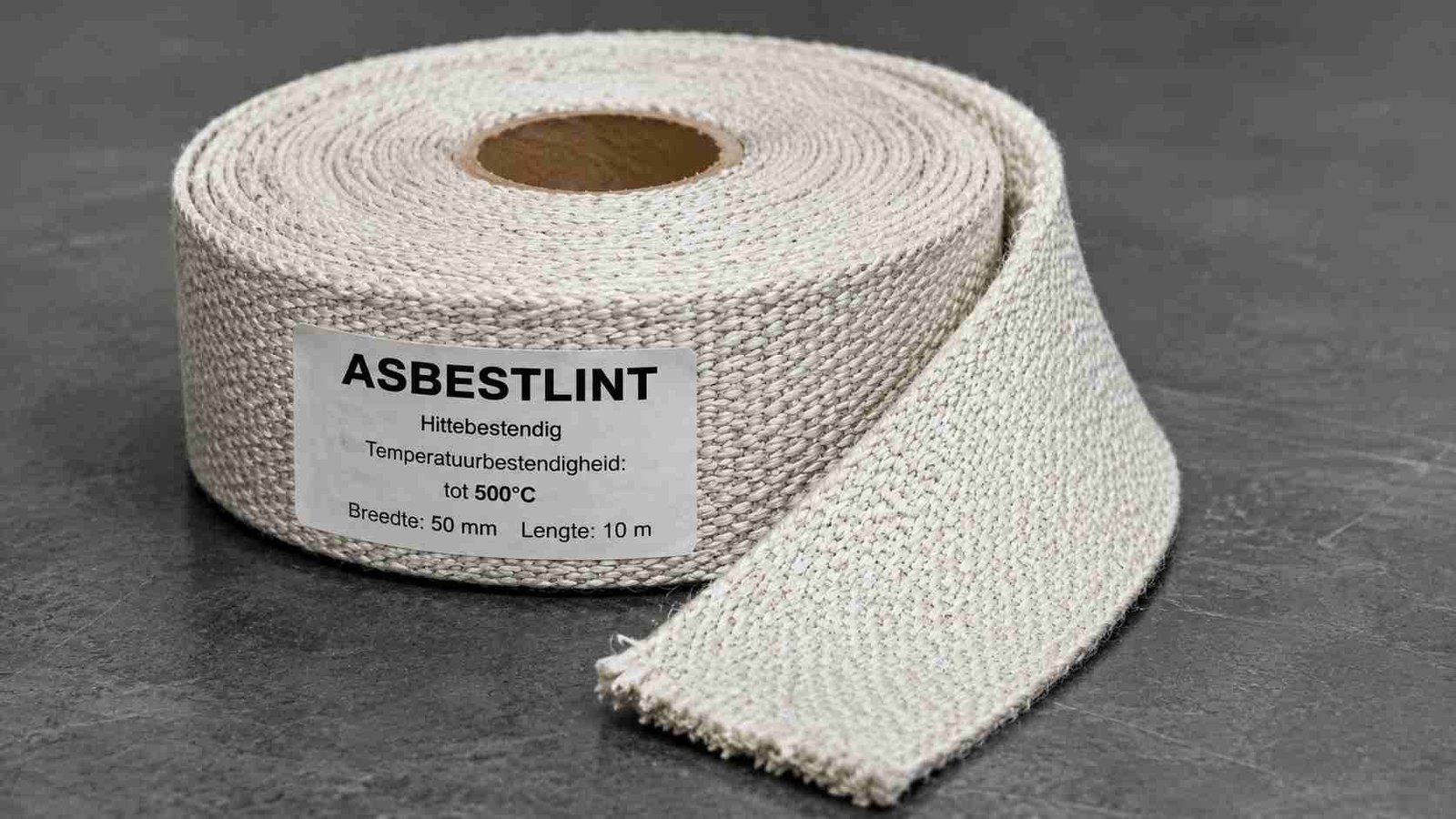
Asbestlint refers to asbestos-containing tape, rope, cloth, or fibrous insulation material used mainly for heat protection and sealing purposes. The term is often associated with older insulation products wrapped around pipes, boilers, furnaces, and heating systems. In some European languages, especially Dutch and German-related searches, the word may describe asbestos tape or warning tape connected to hazardous materials.
Many people confuse asbestos tape with ordinary industrial tape. However, traditional asbestos tape was made with woven asbestos fibers because they could resist extreme heat and fire. It was commonly used in homes, factories, shipyards, and commercial buildings before strict asbestos regulations were introduced.
Another reason the keyword creates confusion is that some people use it when referring to warning tape placed around asbestos-contaminated areas. In reality, asbestos warning tape and asbestos insulation tape are completely different things.
Asbestlint became a widely searched term because people renovating older buildings often discover unknown fibrous materials and want to know if they are dangerous. Since asbestos products were heavily used during the twentieth century, understanding this term helps property owners make safer decisions when handling old insulation materials.
History of Asbestlint
Asbestos materials became extremely popular during the late nineteenth and early twentieth centuries. Builders and manufacturers considered asbestos a “miracle material” because it was heat resistant, durable, inexpensive, and effective for insulation. Asbestlint products were widely used in industrial systems, heating equipment, electrical installations, and construction materials.
During the 1940s to 1980s, asbestos tape and insulation products were common in residential and commercial buildings. Pipe insulation wrapped with asbestos cloth could be found in schools, hospitals, factories, warehouses, and older homes. Industrial companies valued these materials because they reduced fire risks and protected equipment from high temperatures.
However, medical researchers later discovered serious health problems linked to asbestos exposure. Workers exposed to airborne asbestos fibers began developing lung diseases, breathing problems, and rare cancers. As awareness increased, governments around the world started introducing strict regulations and bans on asbestos-containing materials.
Today, many countries have prohibited the use of asbestos in new construction projects. Even so, older buildings still contain asbestos insulation, pipe wrapping, and tapes that may become dangerous when disturbed during renovation or demolition work. This is why asbestlint continues to be an important topic in modern building safety discussions.
Types of Asbestlint
Asbestlint existed in several forms depending on its purpose and industry use. One of the most common types was asbestos tape, which was wrapped around hot pipes and ducts for insulation. This tape often looked white or gray and had a cloth-like appearance.
Another common form was asbestos rope. This material was flexible and heat resistant, making it useful for sealing furnaces, boilers, and industrial equipment. Asbestos cloth was also widely used in factories and shipbuilding because it could withstand high temperatures.Pipe lagging materials were another major category of asbestlint. These thick insulation wraps helped reduce heat loss and protected workers from burns. Gasket materials made with asbestos were used to seal joints in machinery and heating systems.
Some people also confuse asbestos warning tape with insulation tape. Warning tape is simply used to mark hazardous areas and does not necessarily contain asbestos fibers itself.A major distinction in asbestos products is the difference between friable and non-friable materials. Friable asbestos can easily crumble and release dangerous fibers into the air, while non-friable asbestos is more tightly bonded and less likely to release fibers unless damaged.
| Type of Asbestlint | Main Use | Risk Level |
| Asbestos Tape | Pipe insulation | High when damaged |
| Asbestos Rope | Furnace sealing | Moderate to high |
| Asbestos Cloth | Heat protection | High |
| Pipe Lagging | Thermal insulation | Very high |
| Gasket Material | Machinery sealing | Moderate |
Why Is Asbestlint Dangerous?
The biggest danger of asbestlint comes from microscopic asbestos fibers released into the air when the material becomes damaged or disturbed. These fibers are extremely small and cannot usually be seen by the naked eye. Once airborne, they can remain suspended in the air for long periods.
When people breathe in these fibers, they may become trapped deep inside the lungs. Over time, repeated exposure can lead to severe health conditions. Damaged asbestos insulation is particularly dangerous because crumbling materials release fibers more easily than intact products.
Renovation work is one of the most common ways asbestos becomes airborne. Cutting, sanding, drilling, or removing old insulation can release thousands of fibers into indoor spaces. Water damage and aging materials may also weaken asbestos products and increase contamination risks.
Another major concern is invisible contamination. Dust containing asbestos fibers can settle on clothing, furniture, ventilation systems, and flooring. This creates a risk not only for workers but also for family members and other building occupants.Because symptoms of asbestos-related illness may take decades to appear, many people do not realize exposure has occurred until serious medical problems develop later in life.
Health Risks Associated with Asbestlint
Exposure to asbestlint has been linked to several serious diseases. One of the most dangerous conditions is mesothelioma, a rare cancer affecting the lining of the lungs and other organs. Mesothelioma is strongly connected to asbestos exposure and often develops decades after contact.
Another major risk is lung cancer. People who inhale asbestos fibers over long periods may face a significantly higher risk, especially if they also smoke cigarettes. Asbestosis is another disease caused by asbestos exposure. It occurs when lung tissue becomes scarred, leading to breathing difficulties and reduced lung function.
Many workers in shipyards, construction sites, factories, and power plants experienced long-term asbestos exposure before strict safety regulations existed. However, homeowners can also be exposed during remodeling projects involving older buildings.
Secondary exposure is another important concern. Family members of workers may inhale fibers carried home on work clothes, shoes, or tools. This means asbestos risks can extend beyond industrial workplaces.Because asbestos-related diseases often develop slowly, regular medical monitoring is important for individuals who believe they may have been exposed in the past.
How to Identify and Remove Asbestlint Safely?
Identifying asbestlint is not always easy because many old insulation materials look similar to modern products. White or gray cloth-like tape wrapped around pipes may indicate asbestos, but appearance alone cannot confirm its presence. Professional laboratory testing is the safest way to identify asbestos-containing materials.
Certified inspectors usually collect small samples using strict safety procedures. Laboratories then analyze the samples using specialized microscopes to detect asbestos fibers. Air quality testing may also be performed if contamination is suspected.
If you discover possible asbestlint, do not touch, cut, or remove it yourself. Disturbing the material can release dangerous fibers into the air. Avoid sweeping or vacuuming nearby dust because ordinary vacuum cleaners can spread contamination further.
Professional asbestos removal teams use protective clothing, respirators, sealed containment areas, and wet removal methods to reduce airborne fibers. They also follow legal disposal procedures because asbestos waste cannot be thrown away like normal household garbage.
DIY removal is strongly discouraged because improper handling increases exposure risks for everyone nearby. Licensed asbestos professionals understand how to remove contaminated materials safely while following local health and environmental regulations.
Modern Alternatives to Asbestlint
Asbestos products are no longer widely used in modern construction because safer alternatives are available. Fiberglass insulation is now one of the most common replacements due to its heat resistance and lower health risks. Mineral wool insulation is another popular option used in walls, ceilings, and industrial systems.Ceramic fiber tape and synthetic heat-resistant materials are commonly used in high-temperature industrial environments where asbestos products were once standard. These alternatives provide insulation and fire protection without releasing dangerous asbestos fibers.
Eco-friendly insulation products are also becoming more popular as environmental awareness increases. Modern construction focuses more on indoor air quality, worker safety, and sustainable building materials.Although these alternatives are generally safer, proper installation and handling remain important. Builders and property owners are encouraged to choose certified materials that meet current safety standards.
FAQ’s
1. Is all old insulation considered asbestlint?
No. Some older insulation materials do not contain asbestos. Professional testing is required for accurate identification.
2. Can asbestos fibers remain in the air for a long time?
Yes. Airborne asbestos fibers can stay suspended for hours and may spread through ventilation systems.
3. Does touching asbestos immediately cause illness?
Brief contact may not cause disease, but repeated or long-term inhalation of fibers increases health risks significantly.
4. Can homeowners legally remove asbestos themselves?
Laws vary by country and region, but professional removal is strongly recommended for safety reasons.
5. Why are asbestos removal services expensive?
The cost includes protective equipment, containment systems, trained workers, specialized disposal methods and legal compliance.
Conclusion
Asbestlint refers to asbestos-containing tape, rope, cloth, and insulation materials once widely used in homes and industries because of their heat-resistant properties. Although these products were considered valuable in the past, modern research has shown the serious health dangers connected to asbestos exposure.Understanding where asbestos materials may be found, how they become dangerous, and why professional testing matters can help protect homeowners and workers from unnecessary risks. If you suspect asbestos in an older building, avoid disturbing the material and contact licensed professionals for inspection and safe removal.Awareness, proper handling, and compliance with safety regulations are the best ways to reduce asbestos-related dangers and create healthier indoor environments for future generations.