

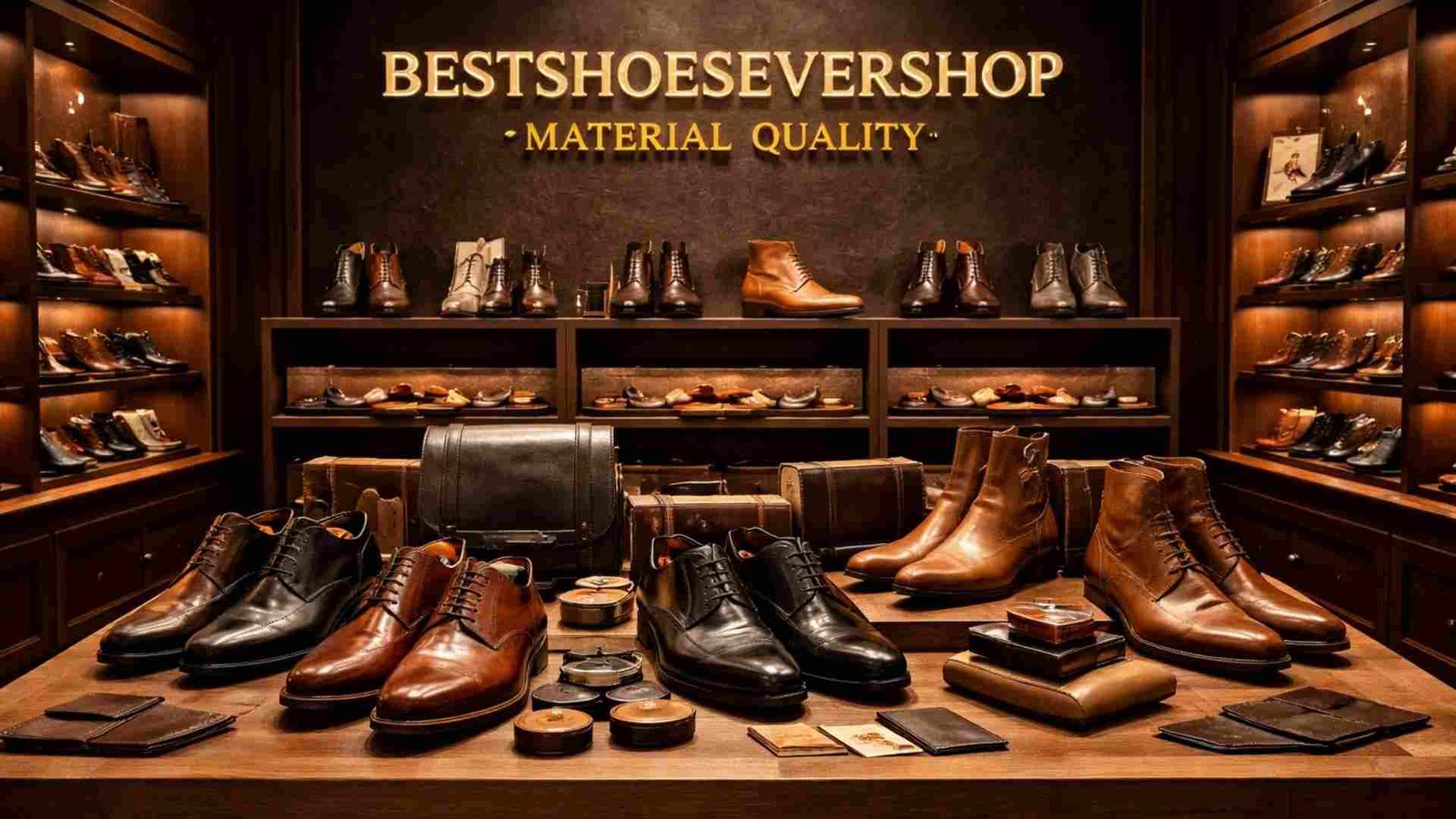
Introduction
When searching for the perfect pair of shoes online, one of the biggest questions buyers ask is: “How good is the material quality?” This is exactly where Bestshoesevershop Material Quality becomes an important focus. Bestshoesevershop is an online retailer known for offering a wide range of footwear from casual sneakers to performance dress shoes. But as with any online purchase, shoppers want assurance that what they see in product images and descriptions matches the quality they receive.
Material quality in shoes is a key factor that directly affects comfort, durability, performance, and value for money. No matter how stylish a shoe looks online, if the material is low‑grade or poorly constructed, the product could fail quickly leading to disappointment and wasted money. That’s why this article dives deep into Bestshoesevershop’s material choices, how they compare to other brands, what real buyers should look for, and whether Bestshoesevershop Material Quality lives up to expectations.
In this guide, we will explore the most commonly used materials in Bestshoesevershop products, how to assess them, what makes certain materials better than others, and practical tips to help you make informed online footwear purchases. By the end, you will understand whether Bestshoesevershop Material Quality is worth your investment.
Why Bestshoesevershop Material Quality Matters?
When choosing shoes, many buyers prioritize design or price. However, material quality is the foundation of a good shoe — affecting everything from comfort to lifespan. High‑quality materials cushion your feet better, resist wear and tear, and maintain shape even after long use. On the other hand, cheap materials can lead to discomfort, early breakdown, odor issues, and poor performance.
One of the greatest impacts of material quality is on comfort. Shoes made with breathable fabrics and well‑structured linings reduce sweating and friction, preventing blisters and discomfort during long wear. Likewise, durable materials like premium leather and well‑crafted synthetic fabrics can withstand daily use without cracking or stretching out of shape. When shoes bend, twist, or rub in the wrong way, low‑quality materials are often the root cause.
Bestshoesevershop claims to address these factors by offering a selection of materials that balance comfort and durability. Whether it’s cushioned insoles that adapt to foot pressure or robust outsole materials that handle rough surfaces, the quality of these components plays a major role in how the shoes perform over time.
Understanding Bestshoesevershop Material Quality helps shoppers set realistic expectations before purchase and makes it easier to compare these shoes with products from other brands. Rather than choosing based on looks alone, you’ll know what to expect in terms of how the shoes feel, function, and hold up in real life.
Top Materials Used in Bestshoesevershop Products
Upper Materials
The upper part of a shoe is the section that covers the top of your foot. It not only contributes to the shoe’s appearance but also plays a central role in comfort and fit. At Bestshoesevershop, several common upper materials are used:
Premium Synthetic Leather: This material imitates genuine leather but often at a lower cost. Good synthetic leather can offer durability, water resistance, and a sleek look. Quality synthetic leather should feel smooth, sturdy, and maintain shape without creasing too quickly.
Breathable Mesh Fabrics: These are lightweight and perforated materials designed for airflow. Shoes with mesh uppers are ideal for warm weather, workouts, and long walking periods. Mesh enhances breathability, reducing foot sweat and overheating.
Knitted Textiles: Knitted fabrics have become popular for their flexibility and sock‑like fit. Shoes with knitted uppers adapt to your foot shape, providing comfort without tight pressure points. They also offer reasonable ventilation.
The choice of upper material impacts how the shoe feels during movement and affects long‑term comfort and resilience. Shoes with well‑made uppers tend to keep their form over time, whereas lower‑quality fabrics might stretch, distort, or fray.
Inner Linings & Comfort Layers
Underneath the outer material lies the inner structure that directly touches your feet. This includes cushioned insoles, moisture‑control linings, and heel support.
Cushioned Insoles: Quality insoles often use memory foam or ethylene vinyl acetate (EVA) padding to absorb shock and provide comfort. The better the padding, the less strain you feel on hard surfaces or extended wear.
Moisture‑Control Linings: These linings help manage sweat and odor by wicking moisture away from the foot. Shoes with effective moisture control are more comfortable, especially in hot or active conditions.
Structured Heel Support: A reinforced heel counter ensures the shoe holds its shape and prevents foot slippage. Good heel support enhances balance and reduces the risk of blisters.
Shoes that combine superior inner materials typically perform better over time, especially for people on their feet all day or those with active lifestyles.
Soles and Outsole Materials
The sole structure determines traction, flexibility, and overall wear resistance.
Rubber Outsoles: Rubber provides excellent grip on many surfaces, enhancing stability. It’s durable and resistant to abrasion, which makes it a solid choice for daily‑use shoes.
EVA Foam: EVA is lightweight and absorbs impact well, making it a popular midsole material for sneakers and casual footwear. It reduces fatigue by cushioning every step.
TPR Soles: Thermoplastic rubber (TPR) combines flexibility with strength. TPR soles bend naturally but are robust enough to withstand repeated use.Soles matter significantly because they directly contact the ground. Better sole materials improve traction, protect feet from rough terrain, and extend the shoe’s lifespan.
Assessing Bestshoesevershop Material Quality vs. Other Brands
Comparing Bestshoesevershop Material Quality with other brands helps shoppers understand where it stands in the marketplace. Budget brands often rely on the cheapest possible materials to keep prices low. While this can be appealing up front, it often results in products that wear out quickly or feel uncomfortable.
High‑quality brands typically use thicker, more breathable fabrics, stronger stitching, and superior cushioning. These features contribute to longer shoe life and better performance. For example, premium shoes might use calfskin leather or reinforced mesh, while cheaper models use very thin synthetics that degrade faster.When comparing materials, consider indicators like:
- Thickness and texture: Thicker, well‑finished materials usually mean higher durability.
- Breathability: Shoes that allow airflow reduce foot sweating and discomfort.
- Performance under stress: Materials that remain intact after bending or prolonged use indicate better quality.
Everyday wear tests often highlight these differences. For instance, shoes with high‑grade materials tend to maintain shape and comfort even after months of use, whereas shoes with poor materials may crease, fade or break down fast.
Signs of High‑Quality Shoe Materials
Evaluating materials before purchasing online can be challenging, but there are key signs that help:
First, look at texture and stitching. Well‑made shoes often even show stitching, smooth seams, and materials that don’t feel flimsy or plasticky. When possible, zoom in on product photos to check these details.
Weight also matters. While extremely heavy shoes may be uncomfortable, very lightweight materials sometimes signal low thickness or poor resilience.Other quality indicators include:
- Pleasant smell (no chemical odor)
- Flexible but firm structure
- Consistent color and finish
When shopping at Bestshoesevershop or other online retailers, reading product descriptions carefully and checking customer photos (when available) can provide clues about real material quality. Also, reviews from buyers who have used the shoes for weeks or months are valuable for genuine insights.
Material Quality and Comfort: What Buyers Experience?
Material quality has a direct impact on comfort over time. Shoes made from breathable uppers, cushioned insoles, and flexible yet supportive soles tend to feel more comfortable during long wear. Breathability controls temperature, so feet don’t overheat or sweat excessively, especially in active situations.
In daily wear, quality shoes adapt to foot movements. This means less friction, reduced pressure points, and greater support for walking, standing, or light exercise. For work or travel, where shoes are worn for many hours, material quality makes a noticeable difference in how feet feel at the end of the day.
Activity‑specific shoes that use advanced breathable mesh or well‑padded midsoles show improved comfort, particularly for running, hiking, or gym use. Buyers often mention a broken‑in feeling that comes quicker with quality materials, while poor materials might cause discomfort right away.
Durability and Longevity: Material Quality Outcomes
Shoes with better materials resist cracking, creasing, and surface wear. High‑grade synthetic leathers and reinforced textiles handle tensile stress better, while quality outsoles resist abrasion even on rough surfaces.
Materials like EVA foam and TPR that maintain their structure after repetitive impact help shoes retain comfort longer. In contrast, cheap foam often flattens within weeks, resulting in a loss of cushioning and support.
Overall, Bestshoesevershop Material Quality should be evaluated not just by description but by real‑world performance. Shoes with superior materials tend to last longer, providing better value for money. Reviews from long‑term users often reflect this, noting how well the shoes handle daily challenges.
Red Flags: When Material Quality Doesn’t Match the Claim
Sometimes product photos or descriptions promise premium materials but the actual product uses cheaper alternatives. This mismatch is a common issue with online shoe listings across various retailers, not just Bestshoesevershop. These red flags include:
- Glossy but thin synthetic uppers that crack easily
- Insoles that compress and lose shape quickly
- Soles that separate at joints or wear unevenly
To spot material mismatches, compare description details with photos and buyer reviews. Look for consistency; if many buyers complain about low quality while the product claims premium materials, it’s often a sign to reconsider your purchase.
Material Quality & Authenticity: Why Both Matter?
High material quality alone is important, but authenticity is equally crucial. Shoes made from authentic materials behave differently than replicas or cheap imitations. Counterfeit products often use substandard materials to cut costs, resulting in poor comfort, weak stitching, and rapid wear.
Verifying authenticity ensures you get the quality you expect. Check seller reputation, product reviews, and official material certifications if available. When researching Bestshoesevershop Material Quality, many buyers worry about authenticity because online marketplaces sometimes list products from third‑party sellers.Authentic high‑quality shoes protect your investment and provide better performance and comfort.
Customer Real World Tips for Evaluating Material Quality
To better judge material quality, use these practical tips:
- Check zoomed photos for stitching details
- Read long‑term reviews from buyers
- Ask customer support questions about specific materials
- Compare product descriptions across multiple sellers
These steps help you avoid disappointing purchases and choose shoes that meet your expectations for durability and comfort.
Is Bestshoesevershop Material Quality Worth It?
Overall, Bestshoesevershop Material Quality can offer a balanced mix of comfort and durability, especially when compared to low‑end budget brands. However, like any wide‑range retailer, quality can vary between models. Some shoes feature breathable mesh and cushioned insoles that feel excellent right out of the box, while others may lean toward less durable materials. Your best results come from careful evaluation reading reviews, checking materials listed, and choosing models known for strong construction.
In real terms, if you prioritize comfortable, long‑lasting shoes that hold up with regular use, focusing on material quality not just price or style will lead to more satisfying choices. Bestshoesevershop products that score well in material quality reviews tend to outperform cheap alternatives and offer genuine value over time.
FAQ’s
1. What exactly does Bestshoesevershop Material Quality refer to?
It refers to the types of materials used in the shoe’s construction including uppers, linings, insoles and soles and how well they perform in terms of durability, comfort and longevity.
2. Can I trust the materials listed in Bestshoesevershop product descriptions?
Descriptions are a starting point, but it’s helpful to verify with customer reviews and photos to ensure the listed materials match the item you receive.
3. How does material quality affect long‑term wear?
Higher‑quality materials maintain shape, resist wear, and provide better comfort over time than low‑grade alternatives that break down faster.
4. What are the most durable materials used in footwear?
Premium synthetic leathers, reinforced mesh, quality EVA foams, and rubber or TPR outsoles generally offer strong durability and performance.
5. Is low price a sign of poor materials?
Not always, but very low prices can indicate cheaper materials. It’s best to balance price with material quality indicators and reviews.
Conclusion
Choosing shoes online can be tricky, but understanding Bestshoesevershop Material Quality gives you a major advantage. Material quality directly influences comfort, durability, performance, and satisfaction. By learning what to look for from upper fabrics and cushioned insoles to strong outsoles and authentic materials you can make smarter purchases that last longer and feel better on your feet. Always verify materials with detailed reviews and descriptions, and you’ll find value that goes beyond the price tag.