
Introduction
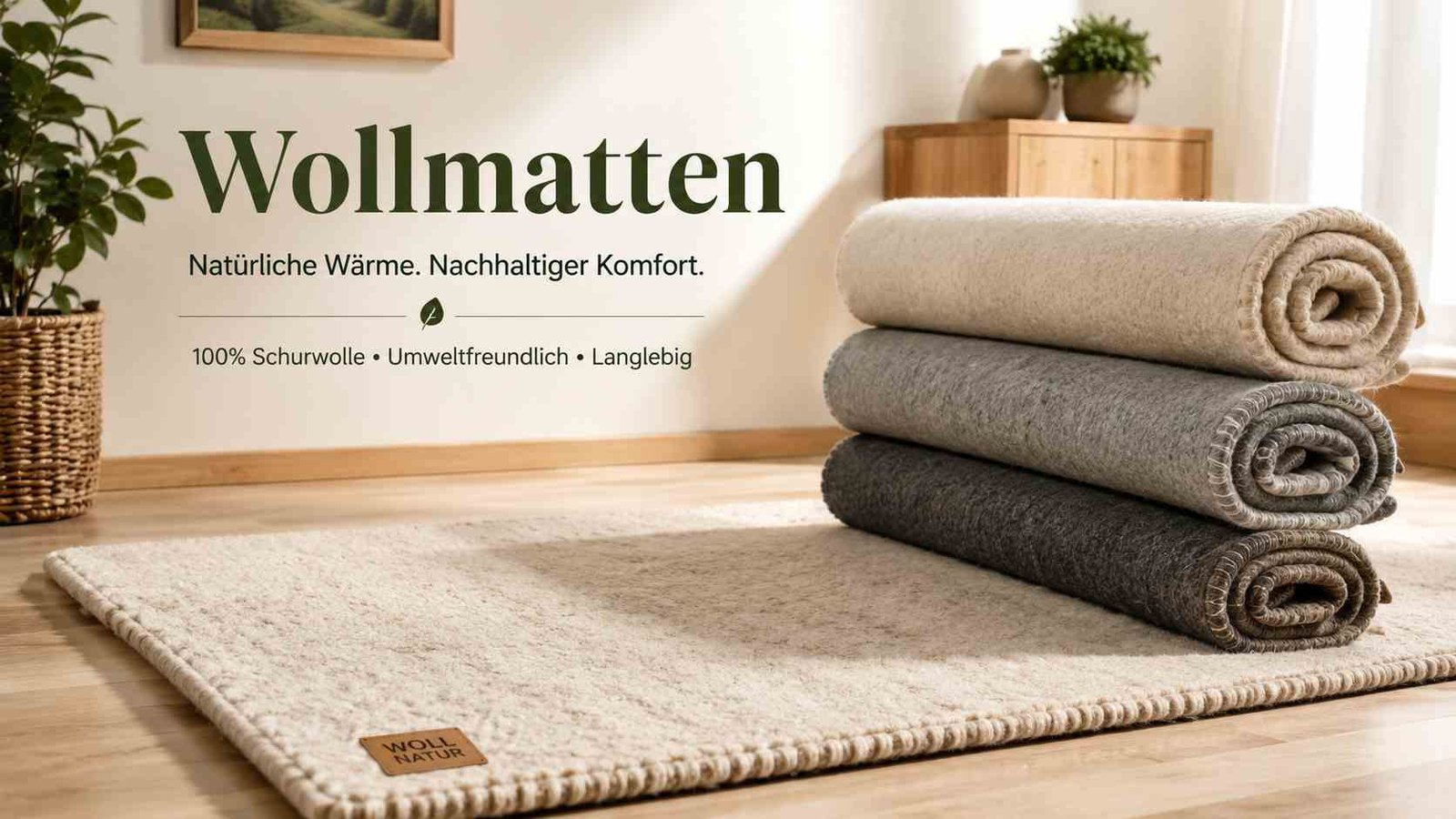
If you have searched for Wollmatten, you may be wondering what the word means and why these products are becoming more popular around the world. Wollmatten is the German word for wool mats. These mats are made from natural sheep’s wool and are valued for their comfort, durability, and eco-friendly qualities. They can be used inside homes, in gardens, offices, farms, and even in modern construction projects.
Today, many people are choosing natural products instead of synthetic materials. Wool mats are one of the best examples because they are renewable, biodegradable, and long-lasting. Unlike plastic mats, they help reduce waste while offering excellent comfort and insulation. They also regulate moisture and temperature, making them useful in different climates.
In this guide, you will learn everything about Wollmatten, including their history, how they are made, different types, benefits, common uses, maintenance tips, buying advice, and much more. Whether you want a wool mat for your home, garden, or workplace, this article will help you make the right choice.
What Are Wollmatten?
Wollmatten simply means wool mats in German. They are mats made mainly from natural sheep’s wool. Depending on their purpose, these mats can be soft, thick, thin, woven, or felted. They are used for flooring, insulation, gardening, decoration, and many other applications.
Unlike ordinary mats made from plastic, rubber, or synthetic fibers, wool mats are created from a natural material that has been used by humans for thousands of years. Wool fibers contain tiny air pockets that help trap heat while allowing the material to breathe. This unique structure makes wool comfortable in both warm and cold weather.
Another important feature of Wollmatten is their ability to absorb moisture without feeling wet. Wool can hold a large amount of moisture while still staying comfortable to touch. At the same time, it naturally resists odors and dirt better than many synthetic materials.
Many people choose wool mats because they are environmentally friendly. Sheep produce new wool every year, making it a renewable resource. After years of use, pure wool mats naturally break down in the environment instead of creating plastic waste.
Today, Wollmatten are available in many sizes, colors, and designs. Some are designed for homes, while others are specially made for gardens, insulation projects, yoga spaces, offices, or commercial buildings. Their natural beauty and practical benefits continue to make them a popular choice for people who value quality and sustainability.
History and Origin of Wollmatten
The history of wool mats goes back thousands of years. Long before modern factories existed, people discovered that sheep’s wool could be cleaned, pressed, and shaped into useful products. Ancient communities used wool not only for clothing but also for blankets, floor coverings, and simple insulation.
The word Wollmatten comes from Germany, where wool has played an important role in daily life for centuries. European countries with strong sheep farming traditions developed many ways to process wool into useful household products. Handmade wool mats became common in homes because they provided warmth during cold winters and lasted for many years.
As technology improved, manufacturers introduced modern production methods that made wool mats stronger, more affordable, and available in different styles. Today, some Wollmatten are still handmade by skilled craftsmen, while others are produced using advanced machines that ensure consistent quality.
Although modern homes now have many synthetic flooring options, wool mats have remained popular because they offer natural comfort that artificial materials often cannot match. Growing environmental awareness has also increased their popularity. Many people now prefer products made from renewable materials that have less impact on the planet.
Today, Wollmatten are used in homes, hotels, offices, gardens, and green buildings across many countries. Their long history proves that natural materials can remain useful even in today’s modern world.
How Wollmatten Are Made?
The production of Wollmatten begins with sheep shearing. Sheep are carefully sheared once or twice each year without harming the animals. This process removes the fleece, which quickly grows back naturally.
After shearing, the raw wool is thoroughly cleaned. Dirt, grease, plant material, and other natural impurities are removed through careful washing. Clean wool is important because it creates stronger and better-quality mats.
The next stage is called carding. During carding, special machines straighten and separate the wool fibers so they are smooth and evenly arranged. This helps create a strong and uniform mat.
Depending on the final product, manufacturers may use felting, needle punching, or weaving. Felting combines moisture, heat, and pressure to bind the fibers together into a dense material. Needle punching uses thousands of tiny needles to lock the fibers without using glue. Woven wool mats are created by interlacing wool yarns, giving them extra flexibility and decorative appeal.
Once the mat reaches the desired thickness, it moves through the finishing stage. Edges are trimmed, surfaces are smoothed, and decorative patterns may be added. Finally, every mat goes through a quality inspection where workers check its size, density, strength, and appearance.
The result is a natural wool mat that offers comfort, durability, insulation, and a beautiful appearance. High-quality Wollmatten can provide reliable performance for many years when properly cared for.
Types of Wollmatten
Different types of Wollmatten are available to meet different needs. Some focus on comfort, while others are designed for insulation, gardening, or decoration.
Felted Wollmatten
Felted Wollmatten are made by pressing wool fibers together using heat, moisture, and pressure. This creates a dense, soft, and durable material that provides excellent insulation. Felted mats are commonly used in homes because they are warm underfoot and naturally resist dirt and odors. They are also popular for craft projects and sound insulation.
Woven Wool Mats
Woven wool mats are produced by weaving wool yarn together using traditional or modern looms. These mats often feature attractive patterns and elegant textures, making them suitable for living rooms, bedrooms, and offices. They are flexible, durable, and available in many colors to match different interior styles.
Needle-Punched Wollmatten
Needle-punched Wollmatten are made using thousands of small needles that tightly lock the wool fibers together. This method creates strong mats without using chemical adhesives. These mats are often chosen for commercial spaces, insulation work, and heavy-use areas because they offer excellent durability while maintaining natural comfort.
Thick Wool Mats
Thick wool mats provide maximum comfort and insulation. Their dense construction makes them ideal for cold floors, children’s rooms, meditation spaces, and bedrooms. They also reduce noise and create a soft walking surface that feels comfortable throughout the year.
Thin Wool Mats
Thin wool mats are lightweight and easy to move. They are commonly used in hallways, offices, and entryways where flexibility is important. Although thinner than other options, they still provide natural warmth, comfort, and moisture regulation.
Decorative Wool Mats
Decorative Wollmatten combine beauty with function. They come in different colors, textures, and artistic patterns that enhance the appearance of living rooms, dining areas, and bedrooms. Many homeowners choose these mats to create a warm and welcoming atmosphere while enjoying the natural benefits of wool.
Garden Wool Mats
Garden wool mats are specially designed for outdoor planting areas. They help reduce weed growth, keep moisture in the soil, and protect plant roots from extreme temperatures. Since they are biodegradable, they naturally break down over time and improve soil quality without creating waste.
Insulation Wool Mats
Wollmatten are used in homes and commercial buildings to improve thermal and acoustic performance. They are installed inside walls, roofs, and ceilings to reduce heat loss and lower noise levels. Because wool naturally regulates moisture, these mats also help create healthier indoor environments compared to some synthetic insulation materials.
Key Features of Wollmatten
Wollmatten are popular because they combine comfort, durability, and sustainability in one product. Unlike synthetic mats, they are made from natural wool fibers that provide many useful features for everyday life.
One of the biggest advantages of Wollmatten is their soft texture. Wool fibers feel warm and gentle under your feet, making them ideal for homes, yoga spaces, and bedrooms. They also provide excellent natural insulation by trapping tiny pockets of air inside the fibers. This helps keep rooms warm during winter and comfortable during summer.
Another valuable feature is breathability. Wool allows air to move through the material, reducing the feeling of dampness. At the same time, it naturally regulates moisture by absorbing humidity from the air and slowly releasing it later. This helps create a healthier indoor environment.
Wool also has natural odor resistance, so Wollmatten stay fresh longer than many synthetic mats. Another important benefit is their natural flame resistance. Wool does not catch fire easily, making it a safer material for homes and workplaces.
Durability is another reason people choose Wollmatten. High-quality wool mats can last for many years with proper care. They also create very little static electricity, attract less dust than some synthetic materials, and remain comfortable throughout the year.
Finally, Wollmatten are made from a renewable and biodegradable resource. Since sheep grow new wool every year, wool is considered one of the most environmentally friendly natural materials available today.
Benefits of Using Wollmatten
Choosing Wollmatten offers many practical benefits for both homes and workplaces. Their natural properties make them a smart investment for anyone looking for comfort, durability, and sustainability.
One of the main benefits is warmth. Wool fibers trap heat naturally, helping keep floors warmer during cold weather. This makes walking barefoot much more comfortable and can even help improve indoor comfort without relying entirely on heating systems.
Wollmatten also help reduce energy loss. When used as insulation or floor coverings, they add an extra layer that slows heat transfer. This can improve energy efficiency in buildings.
Another important benefit is their ability to absorb moisture without feeling wet. Wool fibers can manage humidity naturally, helping maintain a balanced indoor climate. They also reduce unpleasant odors because wool naturally resists bacteria better than many artificial materials.
Comfort is another major advantage. Wool mats provide a soft walking surface that reduces pressure on your feet. This makes them suitable for families with children, elderly people, and anyone who spends long hours standing.
Because wool is naturally durable, Wollmatten often last much longer than cheaper synthetic alternatives. Although the initial cost may be higher, their long lifespan makes them a good long-term investment.
In addition, they produce very little static electricity, improve indoor comfort, and add a natural, elegant appearance to any room. Their eco-friendly nature also appeals to people who want sustainable products that reduce environmental impact.
Where Can Wollmatten Be Used?
One of the best things about Wollmatten is their versatility. They can be used in many different places, both indoors and outdoors, depending on the type of mat.
Living Rooms
Wool mats make living rooms feel warmer and more welcoming. They provide a soft surface for walking while adding natural beauty to the space.
Bedrooms
In bedrooms, Wollmatten creates a cozy atmosphere. Walking on a warm wool mat after waking up feels much more comfortable than stepping onto a cold floor.
Hallways
Hallways experience heavy foot traffic. Durable wool mats help protect flooring while maintaining an attractive appearance for many years.
Offices
Many offices use Wollmatten because they reduce noise, improve comfort, and create a more professional environment for employees and visitors.
Yoga Rooms
Wool mats provide a comfortable surface for stretching, meditation, and yoga exercises. Their natural texture offers warmth without becoming slippery.
Meditation Areas
Meditation spaces benefit from the calm and natural feel of wool. The soft surface helps people sit comfortably during longer sessions.
Children’s Rooms
Children enjoy playing on soft flooring. Wollmatten provides a comfortable surface while using natural materials instead of plastic-based products.
Pet Areas
Pets often enjoy resting on wool because it stays warm and comfortable. Durable wool mats can also protect floors from scratches.
Garden Beds
Special garden wool mats help control weeds, keep soil moist, and protect plant roots from sudden temperature changes.
Greenhouses
Inside greenhouses, Wollmatten improves moisture retention and helps create healthier growing conditions for vegetables, flowers, and young plants.
Farms
Farmers use wool mats for animal bedding, crop protection, and insulation because wool is natural, durable, and biodegradable.
Commercial Buildings
Hotels, restaurants, shops, and offices often install Wollmatten to improve comfort, reduce noise, and create an elegant appearance for customers and staff.
Wollmatten in Gardening
Wollmatten have become increasingly popular among gardeners because they offer many natural benefits for plants and soil. Unlike plastic weed barriers, wool mats slowly break down over time and improve soil health.One of their main advantages is weed control. A wool mat blocks sunlight from reaching unwanted weeds, reducing their growth without the need for chemical herbicides.
They also provide excellent moisture retention. Wool fibers can absorb and store water, then slowly release it into the soil. This helps plants stay hydrated for longer periods, especially during hot weather.Another benefit is soil insulation. Wool mats protect plant roots from extreme heat in summer and cold temperatures in winter. Healthy roots often lead to stronger and healthier plants.
As wool naturally breaks down, it releases valuable nutrients into the soil. This makes Wollmatten a form of natural fertilizer while also acting as biodegradable mulch. Gardeners can improve soil quality without adding synthetic materials.These mats also support better plant health by reducing soil erosion and helping maintain stable growing conditions. Since they reduce evaporation, less watering is needed, making them an excellent choice for water conservation.For environmentally conscious gardeners, Wollmatten offers an effective and sustainable alternative to plastic-based gardening products.
Wollmatten in Construction
Modern construction increasingly focuses on sustainable building materials, and Wollmatten has become a valuable option for natural insulation.One of their biggest uses is roof insulation. Wool mats reduce heat transfer through roofs, helping buildings stay warmer in winter and cooler in summer. This can lower energy use and improve indoor comfort.They are also widely used for wall insulation. Wool naturally traps air, creating an effective barrier that slows heat loss while allowing buildings to breathe.
Another important application is acoustic insulation. Wool fibers absorb sound waves, reducing echoes and outside noise. This makes Wollmatten suitable for offices, schools, recording studios, hotels, and residential buildings.Unlike some synthetic insulation materials, wool naturally manages moisture. It can absorb humidity without losing its insulating ability and then release it gradually. This helps reduce condensation and may lower the risk of mold growth.
Builders also appreciate Wollmatten because they are renewable, biodegradable, and have a lower environmental impact than many traditional insulation materials. As green building standards continue to grow worldwide, wool insulation is expected to become even more popular.Natural insulation not only improves comfort but also supports healthier indoor air quality and sustainable construction practices.
Wollmatten for Interior Design
Wollmatten are more than practical floor coverings. They also add beauty, warmth, and comfort to indoor spaces. Because wool has a soft texture and a natural look, it fits many home styles. Designers often choose wool mats to create rooms that feel calm, cozy, and welcoming.
In modern homes, Wollmatten bring warmth to simple spaces with clean lines and neutral colors. A wool mat can make a room feel more comfortable without changing its modern style.
They are also a perfect choice for Scandinavian interiors, where natural materials like wood, wool, and cotton are commonly used. The soft texture of wool matches this design style very well.
For rustic homes, wool mats create a traditional and cozy feeling. Their natural fibers work beautifully with wooden furniture, stone walls, and handmade decorations.
In minimalist homes, simple wool mats in light colors add comfort without making the room look crowded. They help create a peaceful and relaxing atmosphere.
Luxury homes also use high-quality Wollmatten because they offer both elegance and durability. Their rich texture gives rooms a premium appearance while remaining practical for daily use.
Whether used in a bedroom, living room, reading corner, or office, Wollmatten improve both comfort and style. They are available in many colors, patterns, and sizes, making it easy to find one that matches almost any interior design.
Wollmatten vs Synthetic Mats
Many buyers compare Wollmatten with synthetic mats before making a purchase. While synthetic mats are often cheaper, wool mats provide better comfort, insulation, and environmental benefits.
| Feature | Wollmatten | Synthetic Mats |
| Material | Natural sheep’s wool | Plastic or synthetic fibers |
| Comfort | Very soft and warm | Depends on material |
| Durability | Long-lasting with care | Moderate to high |
| Sustainability | Renewable and biodegradable | Usually non-biodegradable |
| Cost | Higher initial price | Usually lower |
| Lifespan | Often 10–20 years | Usually 5–10 years |
| Maintenance | Regular vacuuming and gentle cleaning | Easy to clean |
| Eco-Friendly | Excellent | Limited |
| Insulation | Excellent thermal insulation | Moderate |
| Moisture Control | Naturally regulates moisture | Limited moisture control |
Overall, Wollmatten is the better choice for people who value quality, comfort, and sustainability. Synthetic mats may cost less, but they usually do not offer the same natural benefits.
Wollmatten vs Cotton Mats
Cotton mats are another popular option, but they serve different purposes than wool mats.
| Feature | Wollmatten | Cotton Mats |
| Softness | Excellent | Good |
| Warmth | Excellent | Moderate |
| Moisture Control | Excellent | Good |
| Durability | High | Moderate |
| Insulation | Excellent | Low |
| Eco-Friendliness | Very High | High |
| Best Use | Homes, insulation, gardens | Kitchens, bathrooms |
| Lifespan | Long | Medium |
Cotton mats are lightweight and easy to wash, but Wollmatten provide better warmth, insulation, and durability. They are often the better choice for colder climates and long-term use.
Wollmatten vs Rubber Mats
Rubber mats are mainly used where water resistance and heavy-duty protection are required. However, they are very different from wool mats.
| Feature | Wollmatten | Rubber Mats |
| Material | Natural wool | Rubber |
| Comfort | Soft and warm | Firm |
| Water Resistance | Moderate | Excellent |
| Insulation | Excellent | Low |
| Appearance | Natural and decorative | Industrial |
| Eco-Friendly | Biodegradable | Usually not biodegradable |
| Best Use | Homes and insulation | Garages, gyms, workshops |
| Feel Underfoot | Comfortable | Hard |
If comfort and appearance are important, Wollmatten is the better option. Rubber mats are more suitable for heavy-duty environments where water resistance is the main requirement.
How to Choose the Best Wollmatten?
Choosing the right Wollmatten depends on how and where you plan to use them. The first thing to consider is size. Measure your space carefully before buying. A mat that is too small may not provide enough coverage, while one that is too large can make a room look crowded.
The next factor is thickness. Thick wool mats provide more comfort and better insulation, making them perfect for bedrooms and living rooms. Thin mats are easier to move and are suitable for hallways or offices.Always check the density and quality of the wool. Dense wool mats usually last longer and feel more comfortable. Pure wool products often perform better than mats made with a high percentage of synthetic fibers.
You should also decide between handmade and machine-made mats. Handmade Wollmatten often have unique designs and excellent craftsmanship, while machine-made mats usually cost less and offer consistent quality.
Think about your main purpose. Indoor mats focus on comfort and decoration, while outdoor garden mats are designed for plant protection. Set a budget that matches your needs, but remember that a high-quality wool mat can last for many years.Finally, look for trusted certifications that show the product uses genuine wool and follows good environmental standards.
How to Clean and Maintain Wollmatten?
Proper care helps Wollmatten stay beautiful and last for many years. Regular maintenance is simple and does not require expensive products.Vacuum the mat every week to remove dust and loose dirt. Use a vacuum without a strong rotating brush if possible, as this helps protect the wool fibers.
If something spills on the mat, clean it quickly using a soft cloth. Gently blot the stain instead of rubbing it. Rubbing can push the stain deeper into the fibers and damage the surface.For deeper cleaning, use a mild wool-safe cleaner mixed with cool water. Avoid harsh chemicals such as bleach because they can weaken natural wool fibers and change the color of the mat.After cleaning, allow the mat to dry naturally in a well-ventilated area. Avoid placing it in direct sunlight for long periods, as strong sunlight may cause fading over time.
For valuable or handmade Wollmatten, professional cleaning every few years helps maintain their appearance and quality.If you need to store the mat, clean it first, roll it instead of folding it, and keep it in a dry place. Using a breathable storage bag also helps protect it from dust and insects.With proper care, a quality wool mat can remain comfortable and attractive for many years.
Common Problems with Wollmatten
Like any natural product, Wollmatten can develop a few problems over time. The good news is that most of these issues are easy to prevent or fix with proper care.One common issue is shedding. New wool mats may release a small amount of loose fiber during the first few weeks. This is normal and usually stops after regular vacuuming. Do not pull the loose fibers by hand, as this may damage the mat.
Another concern is moisture damage. Although wool can absorb moisture, leaving a mat wet for a long time may lead to mold or unpleasant smells. If the mat becomes wet, dry it completely in a well-ventilated area.Moths can also be attracted to natural wool if the mat is stored in a damp or dirty place. Keeping the mat clean and storing it in a dry location helps prevent this problem. Natural moth repellents such as cedar wood are also useful.Long exposure to direct sunlight may cause fading. To avoid this, rotate the mat every few months or use curtains to reduce strong sunlight.
Heavy furniture can leave compression marks on thick wool mats. Moving furniture occasionally allows the fibers to recover their shape.
Some people worry about allergies, but wool itself is not usually the cause. Regular cleaning removes dust and keeps the mat fresh.Finally, shrinkage may happen if a wool mat is washed with hot water. Always follow the care instructions and use cool water with gentle cleaning products.
Are Wollmatten Eco-Friendly?
One of the biggest reasons people choose Wollmatten is their positive impact on the environment. Unlike many synthetic mats made from plastic, wool mats come from a natural and renewable resource.
Sheep produce a new fleece every year, making wool a renewable material. Farmers can collect wool without harming the animals, and the fleece naturally grows back. This makes wool one of the most sustainable fibers available.
Another important benefit is that pure wool is biodegradable. At the end of its life, a wool mat naturally breaks down in the soil instead of remaining as waste for many years like plastic products.
Many manufacturers also work with farms that follow sustainable farming practices. Responsible farming protects animal welfare, land quality, and natural resources while producing high-quality wool.
Compared with many synthetic materials, wool often has a lower environmental impact because it comes from nature rather than petroleum-based products. Some wool mats are also made without harmful chemicals, making them a healthier choice for homes with children or pets.Wool can also be recycled into new products, reducing waste even further. Old wool fibers may be reused in insulation, padding, or other textile products before they finally biodegrade.
Choosing Wollmatten supports a more sustainable lifestyle. While no product is completely free from environmental impact, natural wool mats are one of the most eco-friendly flooring and insulation options available today.
Advantages and Disadvantages of Wollmatten
Like every product, Wollmatten has both strengths and limitations. Understanding these helps buyers decide if they are the right choice for their needs.
Advantages
Wollmatten provides excellent warmth because wool naturally traps air inside its fibers. This keeps floors comfortable during colder months while remaining breathable in warmer weather.
They are also comfortable to walk, sit, or play on. Their soft texture makes them suitable for living rooms, bedrooms, yoga spaces, and children’s play areas.
Another major advantage is durability. High-quality wool mats can last for many years when cleaned and maintained properly. Their natural strength helps them keep their shape even with regular use.
Because wool is renewable and biodegradable, Wollmatten are a sustainable choice for environmentally conscious buyers. They also bring a natural and elegant appearance that fits many home styles.
Disadvantages
The biggest disadvantage is the higher purchase price compared to many synthetic mats. However, their longer lifespan often balances the higher initial cost.Wool mats also need regular maintenance. Gentle cleaning and proper drying help keep them in good condition.Although wool controls moisture well, it should not stay wet for long periods because excess moisture may damage the fibers.
Finally, natural wool can attract moths if stored incorrectly. Keeping the mat clean and dry greatly reduces this risk.Overall, the advantages usually outweigh the disadvantages for people looking for a comfortable, natural, and long-lasting mat.
Buying Guide for Wollmatten
Buying the right Wollmatten requires more than simply choosing a nice design. Looking at a few important factors will help you select a mat that meets your needs and lasts for many years.Start by deciding your budget. Basic wool mats are generally more affordable, while handmade or premium-quality mats cost more because of their craftsmanship and materials.Always check the material quality. A mat made from 100% natural wool usually offers better insulation, durability, and comfort than products with large amounts of synthetic fibers.
Research the brand’s reputation before buying. Well-known manufacturers often provide better quality control and customer support. Reading customer reviews can also help you understand how the mat performs in real homes.A warranty is another useful feature because it shows that the manufacturer stands behind the product. While not every wool mat includes one, a warranty adds extra confidence.Look for trusted certifications that confirm the wool is genuine and produced responsibly. These labels may also indicate environmentally friendly production methods.
You should also decide whether you prefer a handmade or machine-made mat. Handmade products often have unique details, while machine-made mats provide consistent quality at a lower price.Finally, compare online stores and local shops. Shopping online offers a wider selection, while local stores allow you to feel the texture, thickness, and quality before making a purchase.
Mistakes to Avoid When Buying Wollmatten
Many buyers make simple mistakes that lead to disappointment later. Avoiding these common errors helps you choose the right wool mat from the beginning.One common mistake is buying a mat made from low-density wool. Thin or poor-quality wool may wear out faster and provide less comfort. Choosing a dense, well-made mat usually gives better long-term value.Another mistake is ignoring thickness. Thick mats work best in living rooms and bedrooms, while thinner mats are better for hallways and entryways. Selecting the wrong thickness may reduce comfort or practicality.
Some buyers forget to measure their space before ordering. A mat that is too large or too small can affect both appearance and function.It is also important to check certifications. Buying from trusted manufacturers helps ensure you receive genuine wool rather than low-quality blends.Many people unknowingly purchase products containing large amounts of synthetic fibers. Always read the product description carefully if you want the full benefits of natural wool.
Finally, some buyers overlook maintenance requirements. Knowing how to clean and care for your Wollmatten before buying will help keep them looking beautiful for many years.Making informed choices from the start ensures you enjoy the comfort, durability, and natural beauty that quality Wollmatten can provide.
Future of Wollmatten
The future of Wollmatten looks very promising. As more people become aware of environmental issues, the demand for natural and sustainable products continues to grow. Wool mats fit this trend because they are made from a renewable resource and can naturally break down at the end of their life.
Many homeowners now prefer eco-friendly flooring and home accessories instead of products made from plastic. This shift is encouraging manufacturers to produce more high-quality Wollmatten in different sizes, colors, and designs.
The construction industry is also showing greater interest in wool-based insulation. Builders are looking for materials that improve energy efficiency while reducing environmental impact. Wool mats help regulate temperature, absorb sound, and control moisture, making them a practical option for modern buildings.
In gardening, biodegradable wool mats are becoming a popular alternative to plastic weed barriers. They help retain moisture, improve soil quality, and reduce waste, making them useful for both home gardeners and commercial farms.
Future innovations may also include smarter production methods, improved durability, and better recycling systems. As sustainable living becomes more important worldwide, Wollmatten is expected to remain a valuable choice for homes, businesses, and green construction projects.
Frequently Asked Questions
1. What does Wollmatten mean?
Wollmatten is the German word for wool mats. These mats are made mainly from natural sheep’s wool and are used for flooring, insulation, decoration, and gardening.
2. Are Wollmatten made from real wool?
Most high-quality Wollmatten are made from 100% natural sheep’s wool. However, some budget products may include synthetic fibers, so always read the product details before buying.
3. Are Wollmatten suitable for outdoor use?
Yes. Some Wollmatten are specially designed for outdoor use, especially in gardens where they help control weeds, protect plant roots, and retain soil moisture.
4. How long do Wollmatten last?
A well-made wool mat can last 10 to 20 years or even longer with proper cleaning and maintenance.
5. Can Wollmatten be washed?
Yes, but they should be cleaned carefully using cool water and a mild wool-safe cleaner. Always follow the manufacturer’s care instructions.
6. Are Wollmatten eco-friendly?
Yes. Wool is renewable, biodegradable, recyclable, and has a lower environmental impact than many synthetic materials.
7. Do Wollmatten reduce noise?
Yes. Wool naturally absorbs sound, helping reduce echoes and making rooms quieter.
8. Are Wollmatten safe for children?
Yes. Pure wool mats are soft, comfortable, and free from many of the chemicals found in some synthetic products, making them a good choice for children’s rooms.
9. Can Wollmatten be used in gardens?
Yes. Garden wool mats help reduce weeds, improve moisture retention, protect roots, and slowly add nutrients to the soil as they break down.
10. Do Wollmatten attract insects?
Clean and properly stored wool mats rarely have problems. Regular cleaning and dry storage help prevent moths and other insects.
11. Are Wollmatten worth the price?
Yes. Although they cost more than many synthetic mats, their comfort, durability, and long lifespan make them a worthwhile investment.
12. Where can I buy high-quality Wollmatten?
You can buy them from home improvement stores, flooring specialists, garden centers, eco-friendly retailers, or trusted online marketplaces that sell genuine wool products.
13. Can Wollmatten be used on wooden floors?
Yes. They are suitable for wooden floors and help protect the surface from scratches while adding warmth and comfort.
14. Do Wollmatten have a natural smell?
New wool mats may have a light natural wool scent at first. This usually fades after a few days of use in a well-ventilated room.
15. Are Wollmatten suitable for homes with pets?
Yes. Many pets enjoy resting on wool because it stays warm and comfortable. Regular cleaning helps remove pet hair and keeps the mat fresh.
16. Can Wollmatten help improve indoor air quality?
Wool naturally absorbs moisture and may help create a healthier indoor environment by balancing humidity levels.
17. Which thickness is best for home use?
Medium to thick Wollmatten are usually the best choice for living rooms and bedrooms because they provide better comfort and insulation.
Conclusion
Wollmatten are much more than simple floor mats. They are natural, durable, comfortable, and environmentally friendly products that can be used in homes, gardens, offices, and even modern construction projects. Their excellent insulation, moisture control, and long lifespan make them a smart choice for anyone looking for a high-quality mat.Although they may cost more than synthetic alternatives, their durability and natural benefits often make them a better long-term investment. With proper care, a quality wool mat can remain attractive and useful for many years.Whether you need a soft indoor floor covering, a garden mat, or natural insulation, Wollmatten offers a practical and sustainable solution. By choosing the right type for your needs and maintaining it properly, you can enjoy the comfort, beauty, and eco-friendly advantages of Wollmatten for many years to come.